Planetary Computing in Iowa
Planetary computing unfolds across the planet along similar, yet always different, threads. This installation relied on Google Cloud Platform, one of several compute and data providers operating across the world. Embedded within this collection of services, Cloud Run was a general-purpose system that performed computing, storage, data management, and networking within a scalable infrastructure. Google is one of many players in this field. Other similar platforms include Microsoft Azure, IBM Cloud Services, Amazon AWS, Cisco Cloud, Alibaba Cloud, Salesforce Cloud, Tencent Cloud, and Huawei Cloud, each with its own set of services, cost structures, and attendant internal logics. Together, these global operators deliver the infrastructures, platforms, and services that enable and feed planetary-scale computing.
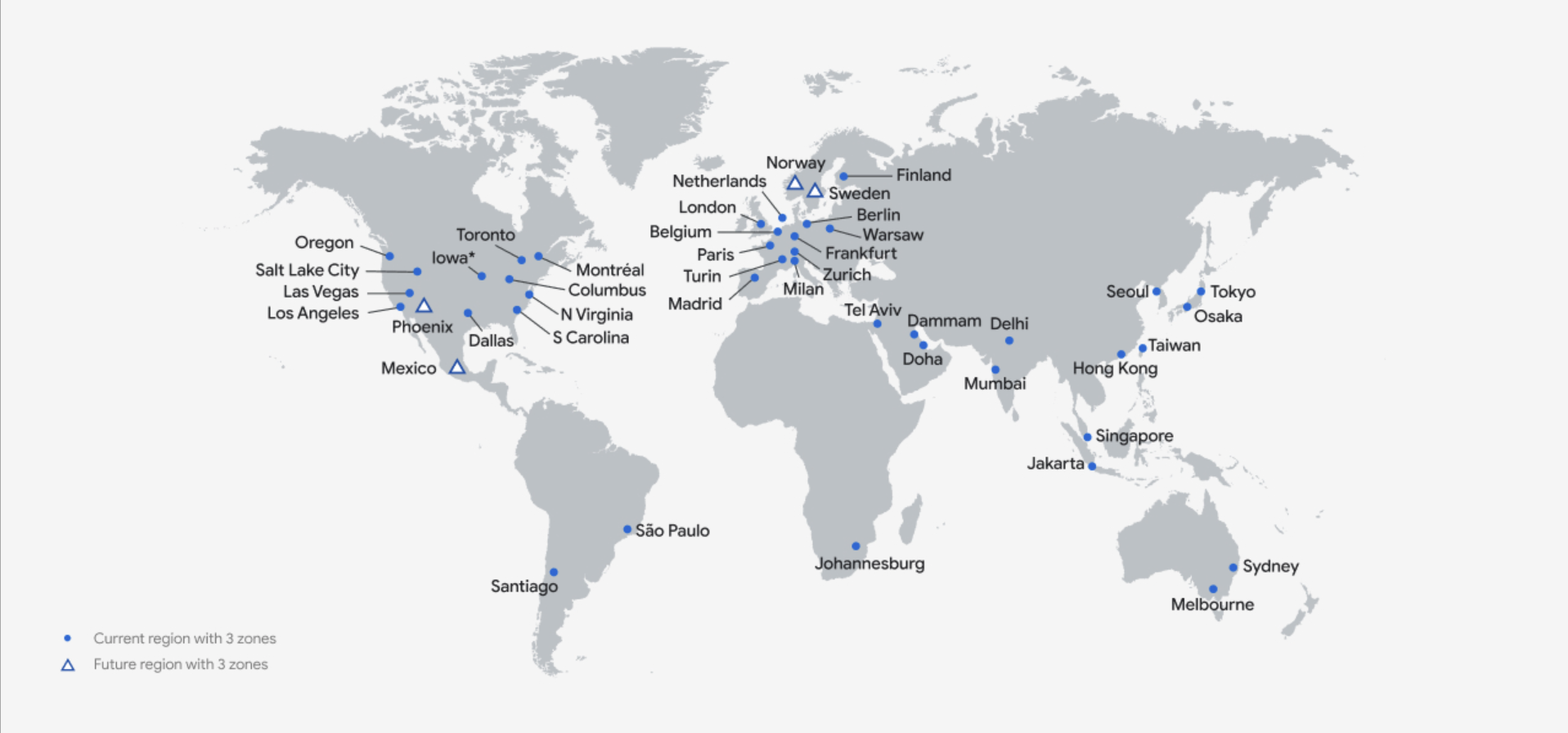
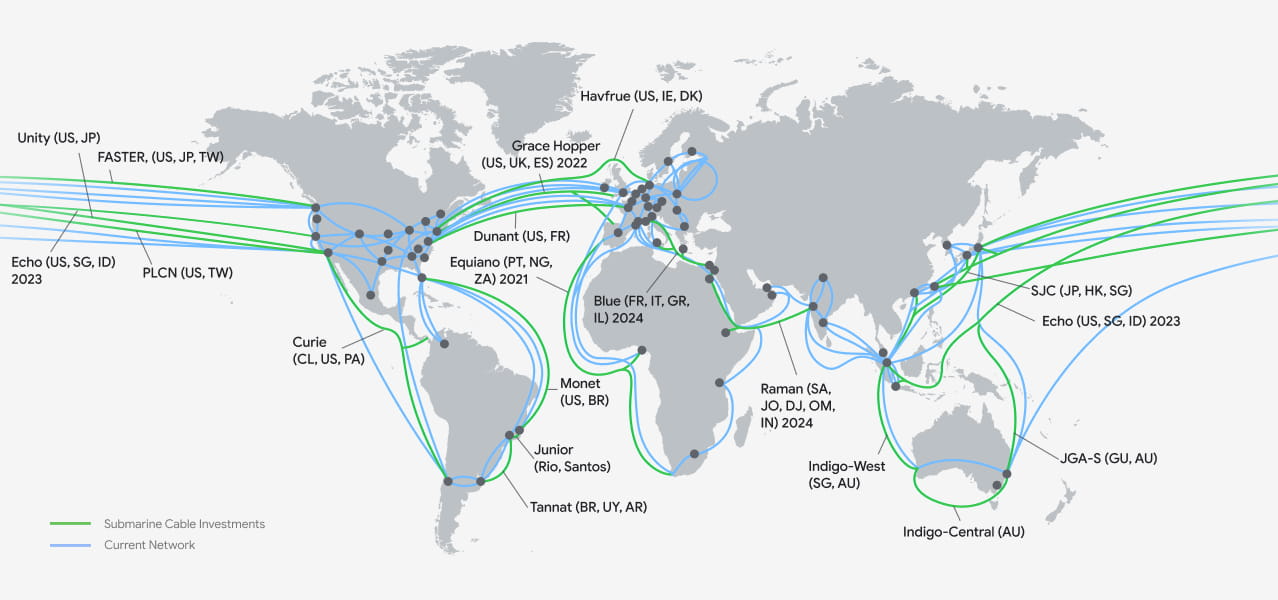
Like other cloud platforms, Google Cloud organizes its compute empire according to consumer demand, differentiating its infrastructure into regions and zones that loosely follow established geographical areas of commercial interest. Regions are specific geographical locations where a set of compute resources are deployed. Each region, in turn, consists of multiple zones. A zone is an isolated data center within a region. The separation into regions and zones provides resiliency and redundancy. If one zone experiences an outage, other zones within the same region can likely continue to operate. Each zone, then, is a collection of compute resources isolated from others within a given region. For example, individual zones typically have independent power, cooling, and networking.
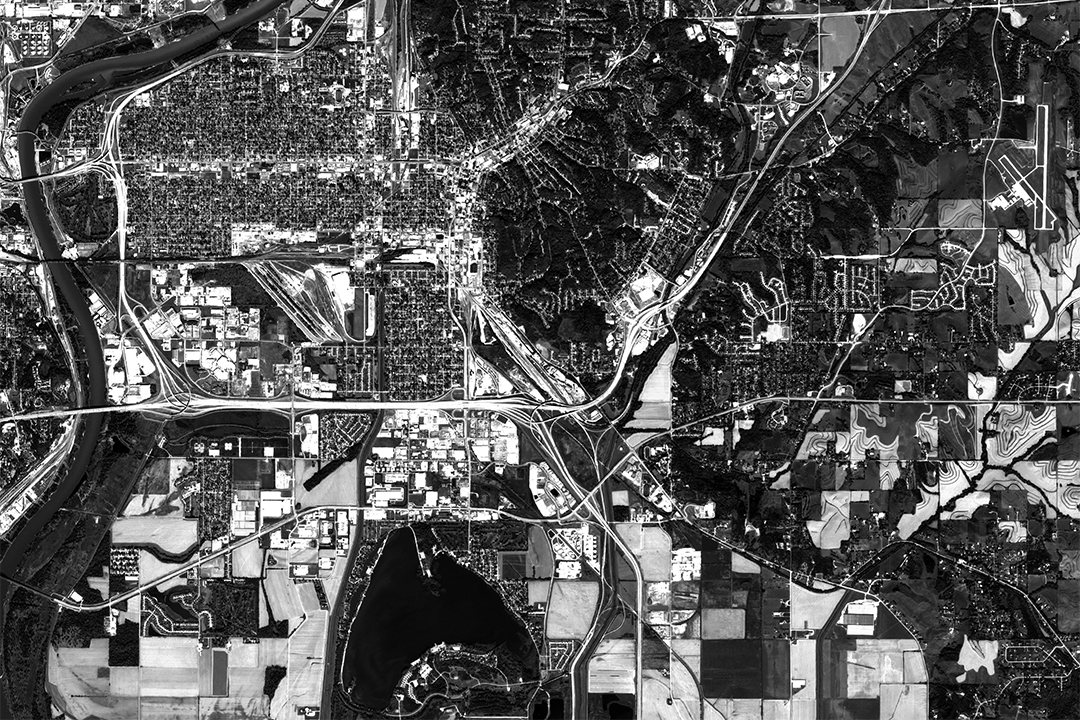
This project operated in the region us-central1, in Council Bluffs, Iowa. At the time of the project, Google had two data center zones in Council Bluffs, one near Lake Manawa and another on the Southlands campus. Together, these sites formed one of the largest data center complexes in the world as of 2024. The Council Bluffs site was one of the few compute centers powered by renewable electricity sourced from wind power. Yet even where renewable sources power data centers, emission intensities were far from zero due to data center operations, employee commutes, construction, and hardware maintenance. To be clear, renewable energy only goes so far under the intensified planetary computing regime, and investment in nuclear power was becoming de rigueur for platform providers conflicted between dependency on continuous power and commitments to emission-free energy production. Yet power and emissions were only part of the story. Multiple resource categories were often impacted in the quest for copious energy. According to The Gazette from April 28, 2024, an additional data center in nearby Cedar Rapids would massively increase daily water consumption in the region. While the required water could be drawn from local aquifers and rivers, that additional loading might become unsustainable during increasingly frequent drought conditions.
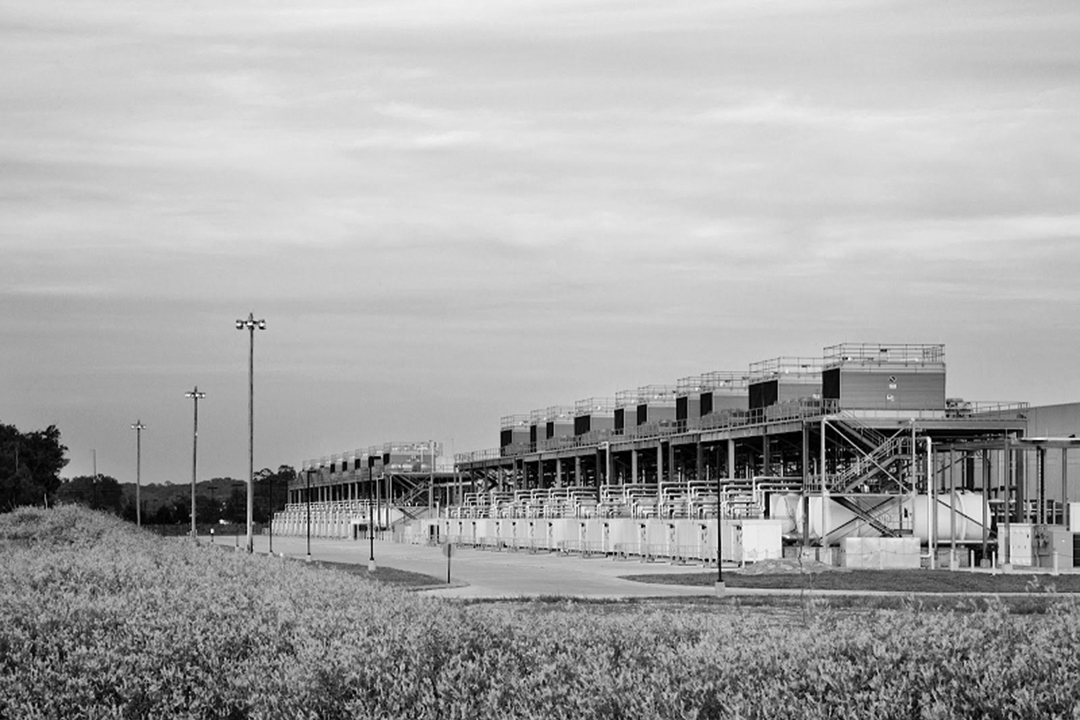
As a previous tenant of Council Bluffs, this project was without a doubt both a participant in the new economy of AI-induced knowledge dissemination and a contributor to the intensification of attendant resource use.